
AGRONOMY
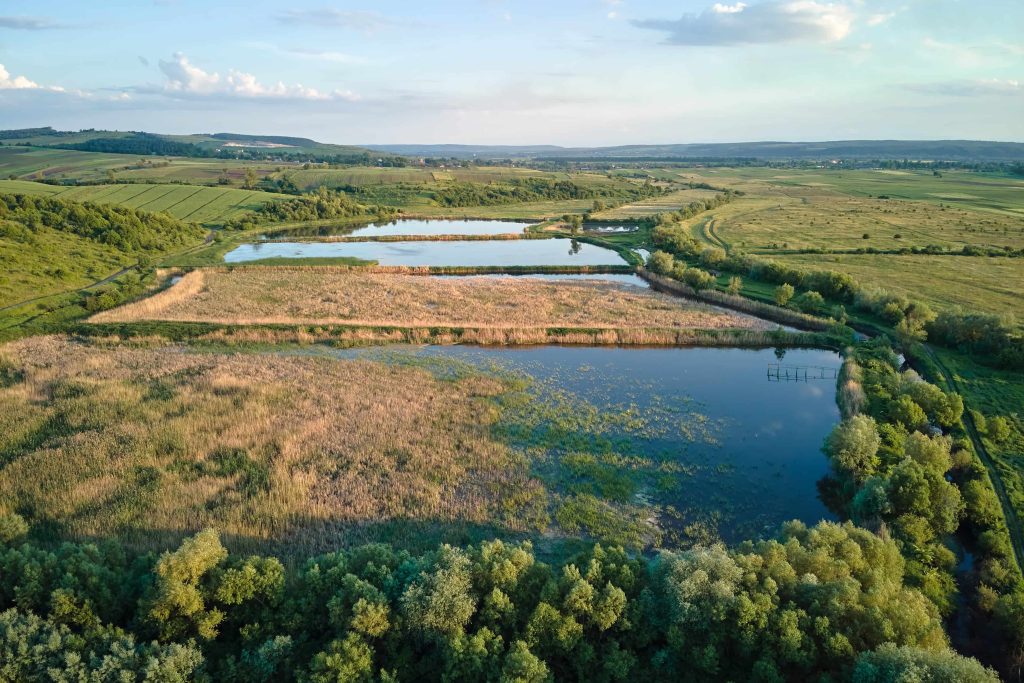
Human impact on open waters is a growing problem around the world. The largest source of river pollution in many countries is raw sewage and untreated industrial effluent discharged into free flowing canals.
Commercial and industrial activities utilize a large quantity of water in their operations. That wastewater may contain dangerous chemicals and contaminants that can find their way into mainstream water sources when not handled or disposed of properly.
Additionally, motor vehicles can distribute dirt, oil, road salts, and other debris along our roads and highways. Those contaminants can then get swept away by rainwater or snowmelt into storm drains that end up in our waterways.
Petroleum-based pollutants can negatively impact water sources, water treatment plants, water associations, stormwater utilities, wetlands, humans, and livestock.
Lagoon systems are one of the most common methods of water treatment around the world. By providing extended hydraulic retention time (HRT), lagoons rely on the native biology in raw sewage to degrade organic matter. However, relying on native biological action and natural settling as a form of treatment is typically only partially successful at achieving desired effluent quality. Lagoon systems provide low operational cost alternatives but face many challenges such as malodor generation, inefficient degradation capabilities, excessive sludge accumulation and ground and surface water contamination risks (among many others). Addressing these issues may require costly investments in the long term.
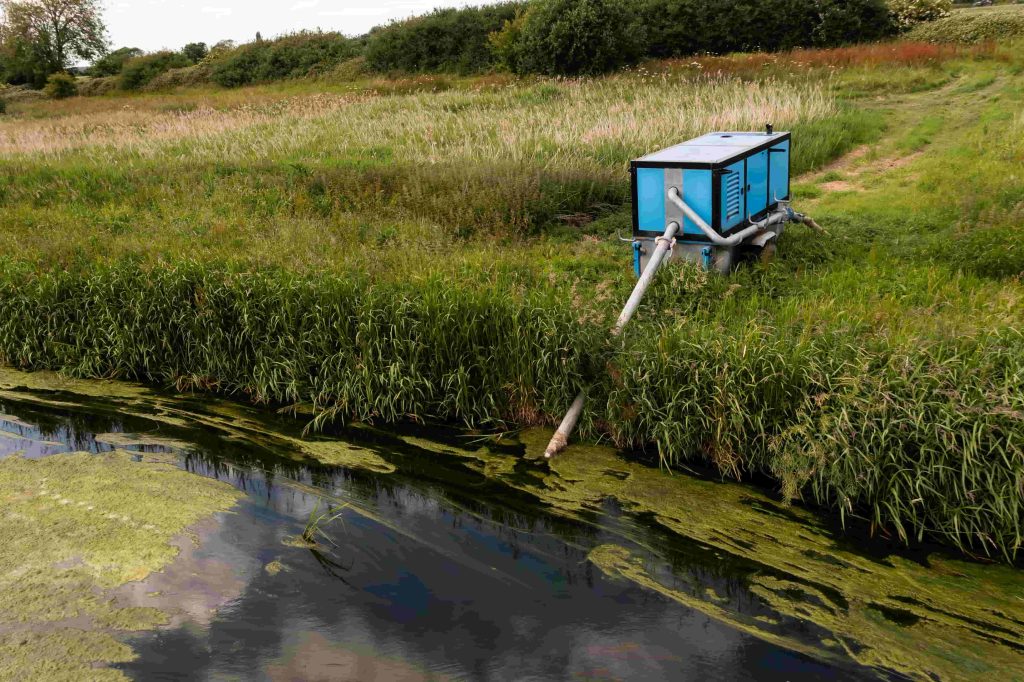
About the Surface Wastewater
Sept-X
- Sept-X is a proprietary composite biocatalyst that enhances a broad range of hydrolytic, oxidative and reductive biochemical reactions
- Sept-X contains a novel consortium of metabolically cooperative microorganisms, with endogenous and exogenous enzymes and small molecule metabolic co-factors
- Sept-X product is composed of all natural materials and are non-genetically modified
- Sept-X is designed to promote rapid degradation of a diverse range of carbon and nitrogen sources.
- Sept-X bioaugmentation programs deliver cost-effective, easy-to-implement solutions to most of the problems these systems face.
- Sept-X bioaugmentation programs can be implemented in open canals or rivers of any flow and length.
- In lakes, ponds and decorative water features, Sept-X provides an easy-to-manage water treatment system that accelerates biological removal of detrimental nutrients from the water including ammonia and nitrites. Sept-X works well in both aerated and un-aerated systems for consistent high-water quality.
- Unlike other biological products, Sept-X works synergistically with levels of chlorine typically found in decorative water features. In such cases the biological oxidation of wastes can improve chlorine stability and reduce chemical costs. Sept-X also has a unique capability to denitrify efficiently at high dissolved oxygen conditions typical of decorative water features.
Benefits
- Accelerates the decomposition of organic waste
- Promotes solids degradation which reduces the accumulation of bottom sludge over time and increases system retention time and performance
- Improves final discharge water quality
- Operates in anaerobic and aerated lagoons
- Specially formulated Sept-X provides additional natural degradation capabilities to reduce fats, oils and grease contaminants
- 100% natural and non-toxic
- Restores water quality
- Removes (rather than masks) odors
- Improved BOD, COD, and TSS
- Quickly breaks down fat, oil, and grease
- Reduces sludge production and costs
- Reduces need for chemical additives
- Reduces hydrogen sulfide, ammonia, and nitrates