
AQUACULTURE
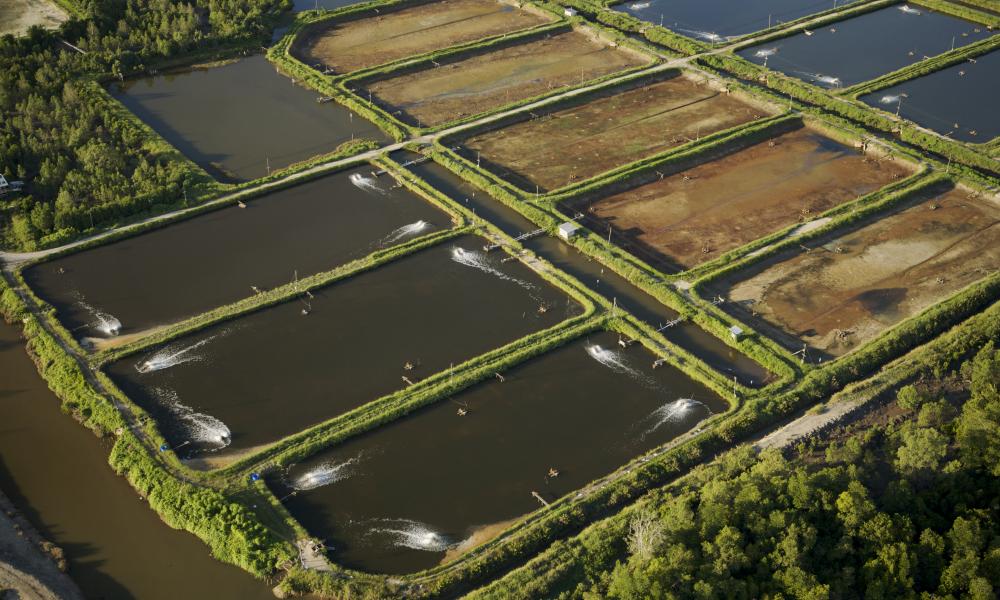
The looming issue of water scarcity poses a significant challenge to traditional aquaculture. As these systems, particularly ponds and land-based setups, demand vast water resources for operation, the increasing scarcity of freshwater can severely impede their productivity. Water shortages can lead to unhealthy fish conditions, disease outbreaks, poor growth, and mortality. Moreover, the competition for water resources between aquaculture and other sectors, such as agriculture and domestic use, heightens the threat. In this context, the sustainability and viability of recirculating aquaculture systems, which promise the delivery of fresh seafood like sushi with minimal water usage, become even More compelling.
- Traditional aquaculture can negatively impact the environment in several ways. It often leads to water pollution due to the release of waste products, uneaten feed, and chemicals into the water bodies. These effects can result in eutrophication, leading to harmful algal blooms that deplete oxygen levels in the water, harming aquatic life.
- Fish need adequate dissolved oxygen to breathe. If oxygen levels drop, they will come to the surface where the water usually contains the highest oxygen concentration. Numerous factors can lead to oxygen depletion, including excessive algae growth, decaying plant matter, or overcrowding of fish. Whatever the cause of the problem, adding a submerged aerator will immediately help reduce the stress and other adverse effects of low oxygen. The additional oxygen supply will keep them safe while you work on a more long-term solution.
- Poor water quality, due to accumulated waste, chemicals, or a recent algae die-off can also lead to low oxygen levels. Thus, leaving fish to seek relief at the water’s surface. High ammonia or nitrite levels can be particularly harmful to fish. Do a quick water quality test and consider performing a substantial water change if ammonia, nitrites, and nitrates are too high. Alternatively, a water conditioner can quickly bring the levels down.
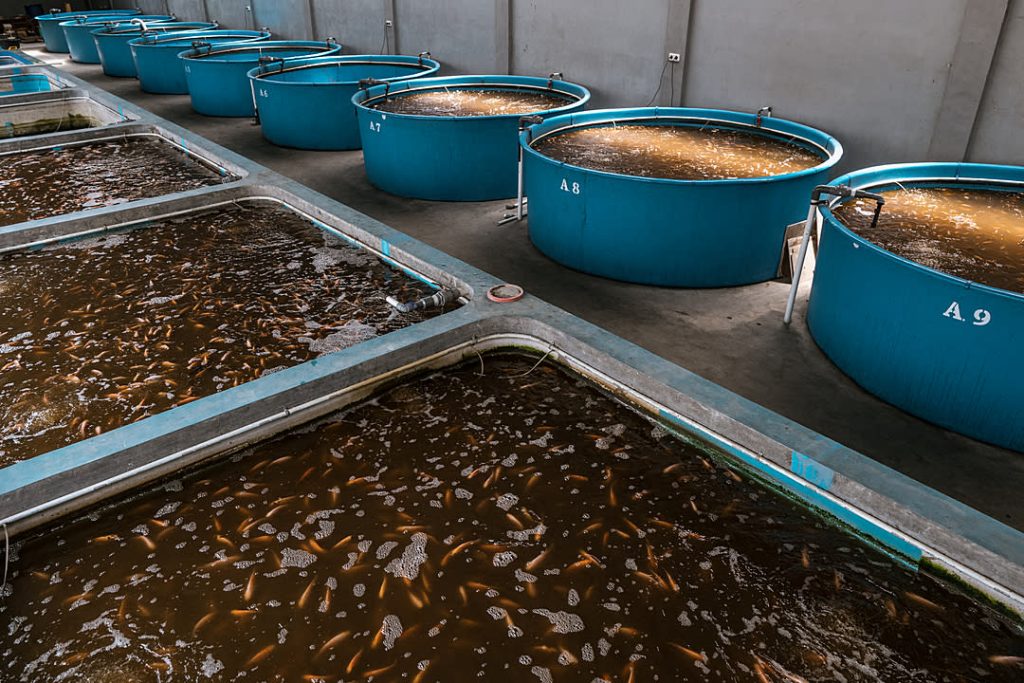
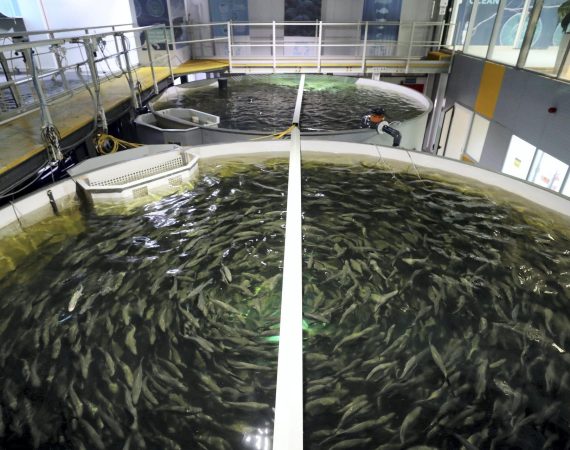
One primary reason fish gather near the pump is the quest for oxygen. Pumps often act as a source of aeration, introducing dissolved oxygen into the water. If oxygen levels are low elsewhere in the pond, fish may instinctively swim toward the most oxygen-rich area, which can be around the pump. Overstocking, excess waste, high temperatures, or an imbalance of plants and algae can cause low oxygen.
A fishpond that emits a rotten egg smell may indicate the presence of hydrogen sulfide gas, which has that characteristic odor. Hydrogen sulfide is produced during the anaerobic (without oxygen) decomposition of organic material, such as fallen leaves, dead plants, and excess fish waste.
The deeper regions of your pond might not receive enough oxygen, leading to anaerobic zones where this gas is produced.
A buildup of sludge and sediment on the pond floor can foster anaerobic conditions, promoting gas production.
About the Aquaculture
Sept-X
Sept-X is a microbial-based water treatment product suitable for all aquaculture systems, including ponds, tanks, hatcheries, nurseries, and raceways.
Sept-X is a powerful microbial blend that improves water in aquaculture systems by accelerating the removal of nitrogenous wastes and promoting good water biology.
Sept-X supports optimum animal performance in all aquaculture systems.
Proven applications include algae control, nutrient management, odor control, and in-feed supplementation (in countries with regulatory approval).
Benefits
- Controls toxic substances by reducing and preventing the buildup of NO2, NH3, H2S
- Helps control algae by regulating pond turbidity, reducing algae photosynthesis, and inhibiting
- cyanobacteria
- Inhibits the growth of Vibrio, which causes hepatopancreas and gastrointestinal diseases
- Treats waste and pond bottoms: cleans plastic surfaces and sludge at pond bottom
- Stabilizes dissolved oxygen (DO), improves water quality and health of shrimp and fish Increases survival rate of shrimp and fish
- Reduces odor of pond sludge and pond water, reduces environmental pollution
- Treats pond environment and water after harvesting for re-use
- Decreases the cost of medical products, chemicals, and labor
- Increases growth rate, weight, and quality of shrimp and fish
- Increases survival rate, growth rate, and weight of shrimp and fish
- Improves water quality by reducing and preventing the buildup of nitrite, ammonia, and hydrogen sulfide
- Helps prevent the growth of pathogenic Vibrio bacteria in the water, resulting in less disease and healthier shrimp
- Accelerates the decomposition of pond bottom sludge and minimizes suspended organic solids in the water
- Reduces labor and associated costs for pond treatment
- Increases quality of shrimp and fish, increasing economic value
- Reduced need for pond cleanout
- Improved feed efficiency (FCR)
- Improved growth rates
- Improved survival rates
- Extended production periods
- Reduced need for water exchange and aeration
- No other sludge digester required
- Reduced need for denitrifiers
- Can reduce the need for antibiotics
- Reduced water discharge volume
- Optimized water discharge quality
- Reduced energy and fuel use