
Introduction
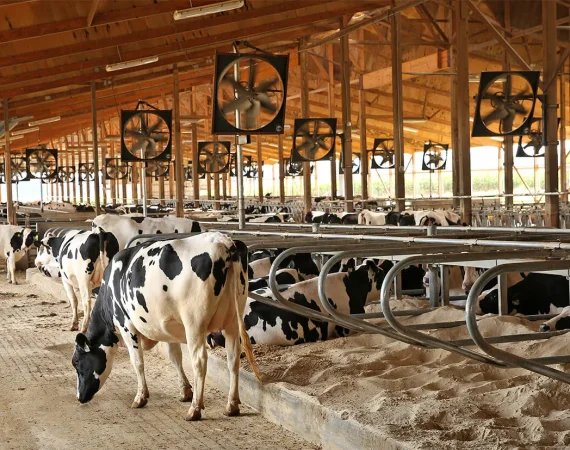
The animal agriculture industry is the leading cause of most environmental degradation that is currently occurring. These detrimental effects happen as a result of overgrazing, habitat loss, overfishing and more.
The following facts and numbers are from the documentary Cowspiracy: The Sustainability Secret:
Processing one pound of beef uses 2,500 gallons of water, while it takes 477 gallons of water for eggs and nearly 900 gallons for cheese. Burning fossil fuels is the leading cause of climate change and the greenhouse effect has led to an unprecedented warming of the earth’s temperature. Meanwhile, 82% of the world’s underfed children live in countries where food is fed to livestock, and then sold to wealthier and developed countries. Animal agriculture produces 65% of the world’s nitrous oxide emissions which has a global warming impact 296 times greater than carbon dioxide.
Raising livestock for human consumption generates nearly 15% of total global greenhouse gas emissions, which is greater than all the transportation emissions combined. It also uses nearly 70% of agricultural land, contributing to deforestation, biodiversity loss and water pollution.
Some negative effects of this pollution include soil erosion, pesticide-related health issues and even water contamination.
Agriculture and similar land-use generates more greenhouse gas emissions than all power generation!
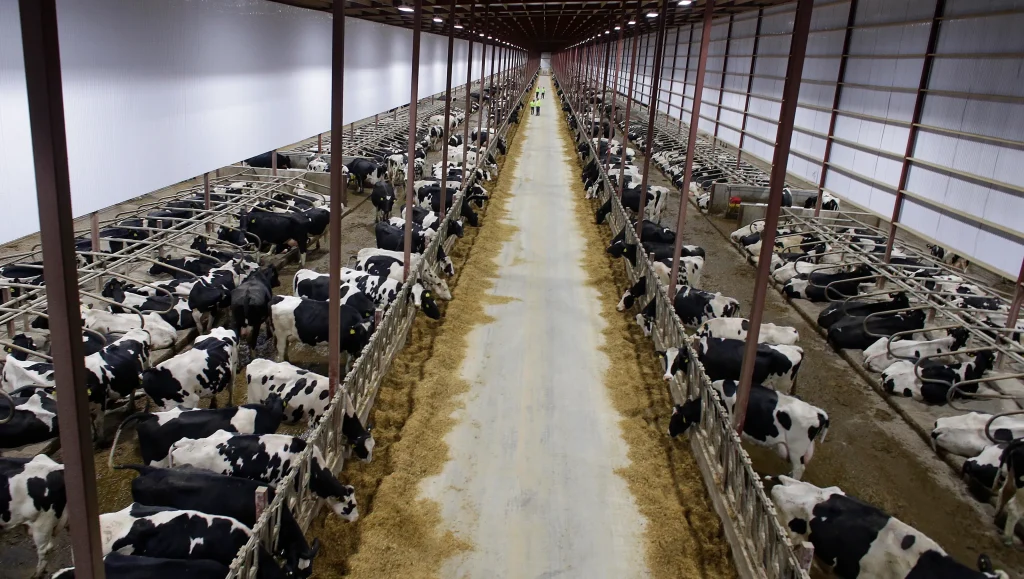
Livestock and their manure pollute our air too: According to the EPA, manure management alone accounts for 12 percent of all agricultural greenhouse gas emissions in the United States; globally, it accounts for 14.5 percent, according to the United Nations’ Food and Agriculture Organization. Manure emits ammonia that then combines with other air pollutants, like nitrogen oxides and sulfates, to create tiny—and deadly—solid particles. We humans inhale these particles, which can cause heart and lung diseases and are said to account for at least 3.3 million deaths each year globally, says a 2016 study from the journal Geophysical Research Letters. In the United States, they account for 17,900 deaths as of 2021..
Valens Treatment
Livestock Compost
- VOC reduction up to 90%
- Accelerated decomposition (composting) by 30%
- Pathogen reduction
- Ammonia reduction
- Decreases composting time
- Increases throughput and reduces operational costs
- Improves quality and health of compost
- Increases nutrient availability in final product
Livestock Odor
- Fast acting
- Effective on a wide range of VOC’s
- Removes rather than masks odo and Cost effective
- Operative at low dosage rates
- Wide range of operative conditions
- Long residual effective period and 100% organic
- Non-chemical, non-pathogenic
- Harmless to humans and the environment
Livestock Manure Lagoons
- Reduces the need for sludge pump outs
- Reduces the strength of effluent
- Lowers Total Nitrogen, Potassium and Phosphorus by up to 40%
- Lowers Biological Oxygen Demand (BOD) and Total
- Suspended Solids (TSS) by up to 80%
- Improves nutrient availability if effluent is used to irrigate pasture
- Improves the quality and health of bedding
- Reduces fly numbers by removing organic attractants Solids reduction to increase system capacity and reduce sludge haulage and disposal costs.
- Odor reduction.
- Reduced effluent loadings.