
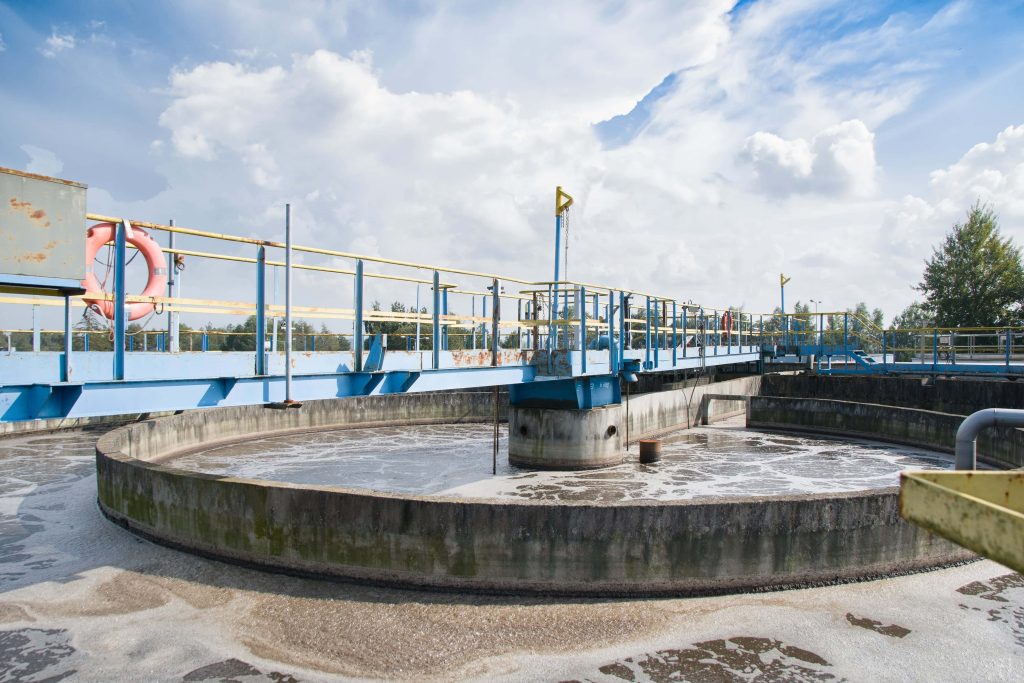
INTRODUCTION
- Wastewater is used water. It includes substances such as human waste, food scraps, oils, soaps and chemicals. In homes, this includes water from sinks, showers, bathtubs, toilets, washing machines and dishwashers. Businesses and industries also contribute their share of used water that must be cleaned.
- We consider wastewater treatment as a water use because it is so interconnected with the other uses of water. Much of the water used by homes, industries, and businesses must be treated before it is released back to the environment.
Wastewater treatment
- The major am of wastewater treatment is to remove as much of the suspended solids as possible before the remaining water, called effluent, is discharged back to the environment. As solid material decays, it uses up oxygen, which is needed by the plants and animals living in the water.
Why Treat Wastewater?
There are a lot of good reasons why keeping our water clean is an important priority:
- FISHERIES: Clean water is critical to plants and animals that live in water. This is important to the fishing industry, enthusiasts, and future generations.
- WILDLIFE HABITATS: Our rivers and ocean waters teem with life that depends on shoreline, beaches and marshes. They are critical habitats for hundreds of species of fish and other aquatic life.
- RECREATION AND QUALITY OF LIFE: Water is a great Playground for us all. The scenic and recreational values of our waters are reasons many people choose to live where they do. Visitors are drawn to water activities such as swimming, fishing, boating and picnicking.
- HEALTH CONCERNS: If it is not properly cleaned, water can carry disease. Since we live, work and play so close to water, harmful bacteria have to be removed to make water safe..
Effects of wastewater pollutants
- Decaying organic matter and debris can use up the dissolved oxygen in a lake so fish and other aquatic biota cannot survive
- Excessive nutrients, such as phosphorus and nitrogen (including ammonia), can cause eutrophication, or over-fertilization of receiving waters, which can be toxic to aquatic organisms, promote excessive plant growth, reduce available oxygen, harm spawning grounds, alter habitat and lead to a decline in certain species;
- Chlorine compounds and inorganic chloramines can be toxic to aquatic invertebrates, algae and fish;
- Bacteria, viruses and disease-causing pathogens can pollute beaches and contaminate shellfish populations, leading to restrictions on human recreation, drinking water consumption and shellfish consumption;
- Metals, such as mercury, lead, cadmium, chromium and arsenic can have acute and chronic toxic effects on species.
About the wastewater plant
Sept-X
Sept-X: contains a novel consortium of natural, non-genetically modified metabolically cooperative microorganisms with ability to produce endogenous and exogenous enzymes and small molecule metabolic cofactors which support both biocatalytic and metabolic activity
- Sept-X is a revolutionary advancement in wastewater treatment technology. It combines a broad spectrum of microbial enzymatic activities with a novel complement of non-enzymatic ,biocatalysts/cofactors that work cooperatively to significantly enhance overall digestive reaction rates. The result delivers superior reductions in odor, volatile organic compounds (VOC), biological oxygen demand (BOD), chemical oxygen demand (COD), and overall solid waste
- Sept-X is delivered in a dry powder format that is pre-cultured prior to dosing into a WWTP. Upon activation it is delivered in a live microbial culture that create the range of Sept-X enzymes (including super catalase) which rapidly remove contaminants.
- Sept-X is suitable for dosing into all existing biological plants with minimal batching and dosing equipment.
- Sept-X changes the biology of a WWTP from being reliant on a large volume of biomass to both digest nutrient as energy and to take nutrient up to create new bacterial cellular material, to one where water is treated through high speed enzymatic transformation into inert end products.
- As a core technology, Sept-X delivers effective performance in either sterile or activated product forms. Microbial activation greatly extends product efficiency and effectiveness, and is highly recommended for use in wastewater treatment.
Benefits from using Sept-X
- Reduction in sludge haulage and disposal
- One of the key benefits from the introduction of Sept-X will be the significant reduction in sludge. The reduction can be up to 60% which will result in significant savings in sludge haulage and disposal fees. Secondary cost savings can occur in reduced labor and capital costs required for residual sludge handling.
- Energy cost savings
- Sept-X has the ability to lower required influent detention times and in some applications the need for mechanical agitation. This is due to its speed and effectiveness to break down/oxidize organic waste products. Aeration to maintain biomass is reduced. This can result in lower energy consumption/costs.
- Reduction in chemical additive costs
- Chemical additives, such as flocculants, can be reduced due to the lesser biomass contained in the sludge resulting in direct savings in chemical costs. Sept-X also has antifungal properties lessening the dosing volumes of potential disinfectants resulting in additional savings. The reduction of chemical use will also create an additional benefit to operators as they will handle less of these chemicals.
- Reduced wear and tear on plant equipment. Increase longevity of treatment plant equipment
- Sept-X will reduce solids in the influent which will reduce strain on equipment from handling higher sludge volumes. Sept-X will also reduce hydrogen sulfide by up to 17% reducing wear and tear of plant equipment. This should translate to lower maintenance costs of treatment plant equipment.
- Reduction in odor
- Sept-X has the added benefit of reducing and/or eliminating odors emitted from wastewater treatment facilities.
- Increased capacity/capital avoidance
- The addition of Sept-X will result in increased plant efficiency by reducing the required contact time and sludge volumes. This will enable higher volumes of wastewater to be treated with the same equipment resulting in significant capital avoidance.
- Increased process stability
- Sept-X may assist in increasing plant stability as there is less reliance on maintaining the biomass.
- Potential to reduce classification of sludge waste
- In some instances the efficiency Sept-X technology will remove a significant amount of pathogens and volatile organic content from sludge waste. This may result in the reclassification of waste products to a less hazardous criteria. This may make sludge waste suitable for salable commercial applications rather than waste disposal.
- Suitable for all biological treatment plants
- Sept-X is a natural product that lends itself to biological treatment processes and hence there are no special requirements for addition of Sept-X to a biological treatment plant.
- No bolt on technology/capital costs required for implementation
- Sept-X is simple to dose on an ongoing process and can be done manually or by a relatively simple batching process. The result is there are no capital implementation costs associated with implementation.
- Effluent Quality
- The efficiency of Sept-X will significantly reduce BOD, COD, SS, TKN, turbidity loadings in effluents. This may help effluent to meet licensing requirements and potentially reduce licensing costs.