Fact Sheet

Valens > Resources > Technical > Fact Sheet
Fisheries
Fact sheet

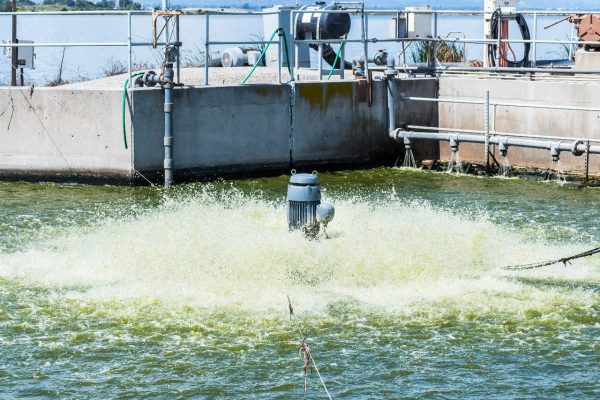
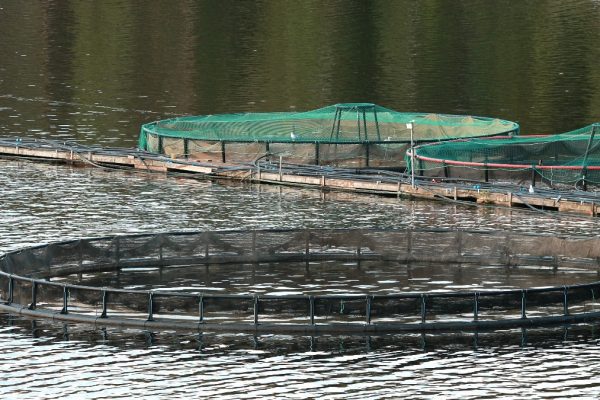
Aquaculture Pond Water

The cultivation of aquatic organisms, including fish, molluscs, crustaceans, and aquatic plants, in a natural or artificial environment.

Pump filtering water
fact sheet

Sludge Drying Beds

Drying beds are generally used for the dewatering of well-digested sleds. Attempts to air-dry raw sludge result in odor.

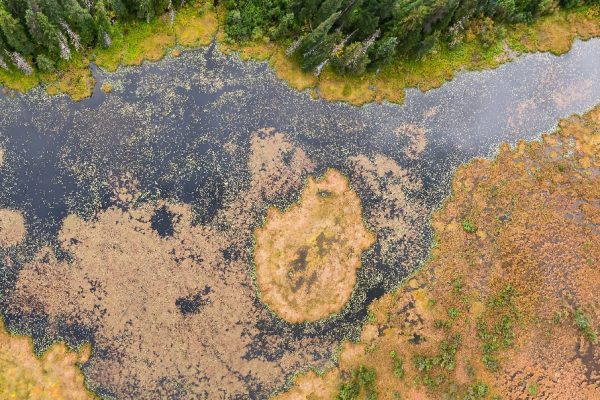
Aerial view
fact sheet

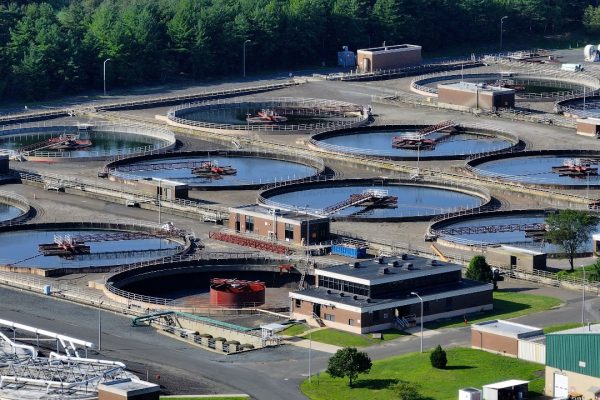
Wastewater Treatment Plant

We consider this treatment as a water use because it is so interconnected with other uses.

vianet-ramos-AISJu_WYjPM-unsplash
Fact sheet

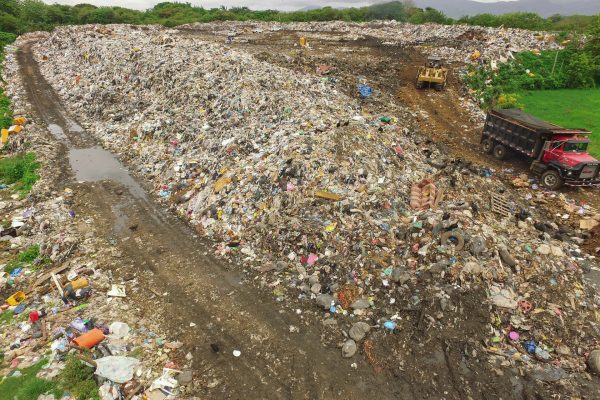
Solid Waste Leachate Odor

Leachate is the liquid that drains or ‘leaches’ from a landfill. It varies widely in composition regarding the age of the landfill.

dump in forest.
fact sheet

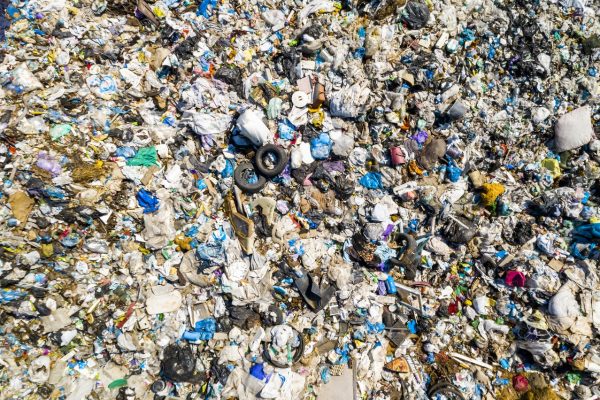
Solid Waste Odor

Over 2 billion tons of municipal solid waste are produced annually. Improper disposal can lead to adverse health outcomes, such as water, soil, and air contamination.

panoramic
fact sheet

Municipal Sewage Odor Lagoons

Lagoon systems are one of the most common methods
of water treatment around the world.

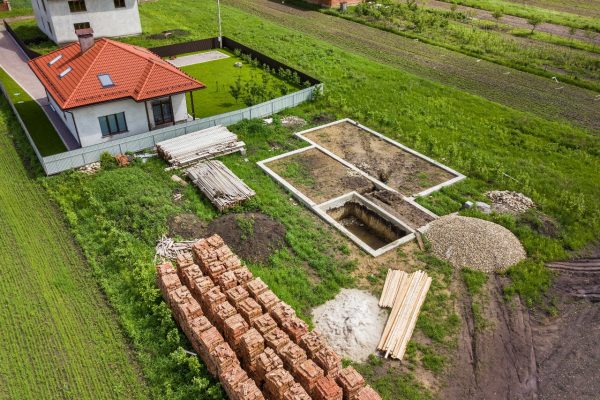
future brick house
Fact sheet

Septic Tank Odor

A septic tank is a buried container that is part of a waste removal system for homes that are not connected to a sewer system. They work in
conjunction with a drain field.
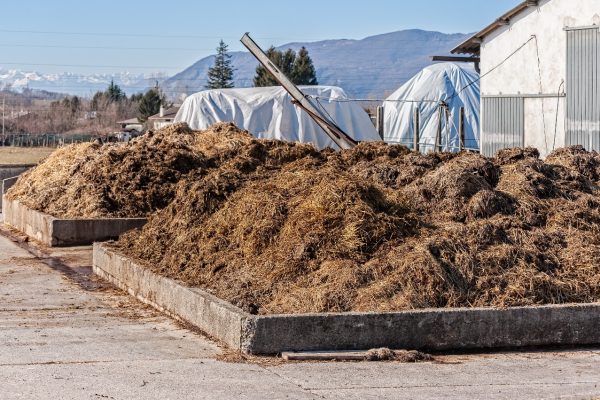
Cow manure
fact sheet

Feedlot Cattle Odor Compost

Odor complaints are more common when the humidity is high, and the air is still or when the prevailing breezes.

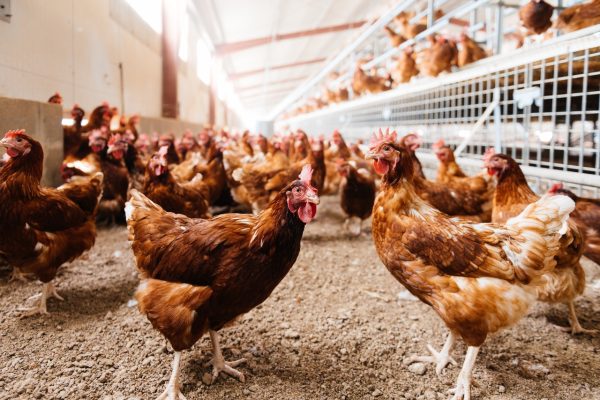
pou
fact sheet

Poultry Manure Odor Composting

Poultry manure is rich in nitrogen (N), phosphorus, potassium and other nutrients required for crop growth.

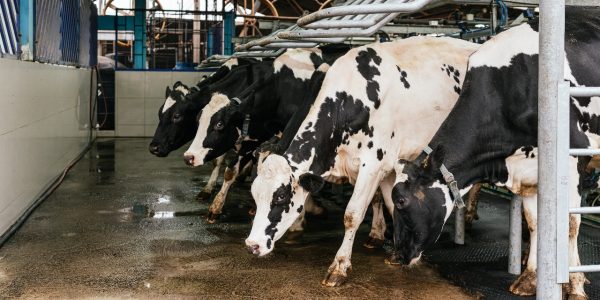
cow
Fact sheet

Beef and Dairy odor Composting

While composting transforms organic residuals into useful fertilizer, it can also produce odors during decomposition.

Bunch of metal
fact sheet

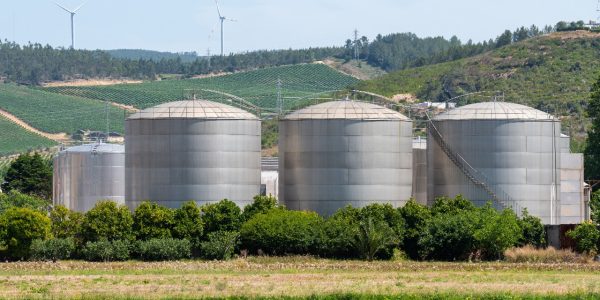
Biogas Odor

Anaerobic digestion is a series of biological processes in which microorganisms break down biodegradable material in the absence of oxygen.